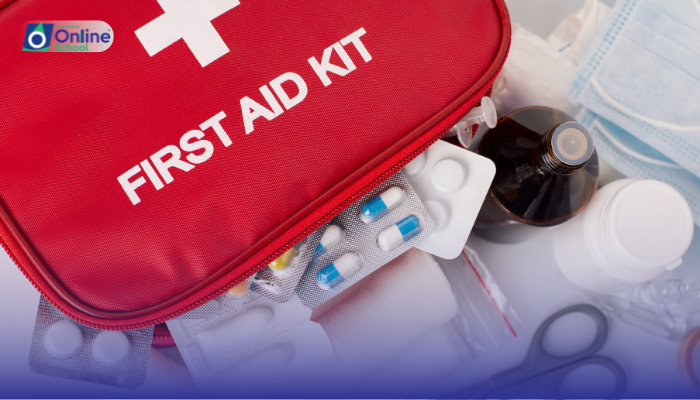
We all need help at times in our lives. Sometimes we may have accidents and we may get hurt. When we are injured or suddenly become unwell, we need someone to help us someone who knows what to do. It is the temporary and immediate help. This timely assistance, comprising simple medical techniques, is most critical to the victims and is, often, life saving. Any lay person can be trained to administer first aid. This First Aid can be carried out using minimal equipment. First aid knowledge ranges from taking care of cuts to deal with an unconscious victim.
CUTS AND SCRAPES
Handling minor accidents at home or on the road develops a sense of crisis management. This may prepare people to tackle with unexpected emergencies with great confidence. Minor cuts and scrapes usually do not need to go to the emergency room. Yet proper care is essential to avoid infection or other complications. Following guidelines can help you to handle crisis and take care of all.
Stop the Bleeding
Minor cuts and scrapes usually stop bleeding on their own. If they don't, apply gentle pressure with a clean cloth or bandage. Hold the pressure continuously for 20 to 30 seconds and if possible elevate the wound. Don't keep checking to see if the bleeding has stopped because this may damage or dislodge the clot that is forming and cause bleeding to resume. If blood spurts or continues flowing after continuous pressure, seek medical assistance.
Clean the Wound
Rinse out the wound with clean water. To clean the area around the wound, use soap and a washcloth. But soap can irritate the wound, so try to keep it out of the actual wound. If dirt or debris remains in the wound after washing, use tweezers cleaned with alcohol to remove the particles. If debris still remains, see your doctor. Thorough cleaning reduces the risk of infection and tetanus.
Apply an Antibiotic
After you clean the wound, apply a thin layer of an antibiotic cream or ointment to help keep the surface moist. The products don't make the wound heal faster, but they can help your body's natural healing process work fast. Certain ingredients in some ointments can cause a mild rash in some people. If a rash appears, stop using the ointment.
Cover the Wound
Bandages can help keep the wound clean and keep harmful bacteria out. After the wound has healed enough to make infection unlikely, exposure to the air will speed wound healing.
Change the Dressing
Change the dressing at least daily or whenever it becomes wet or dirty. If you are allergic to the adhesive used in most bandages, switch to adhesive-free dressings or sterile gauze held in place with paper tape, gauze roll or a loosely applied elastic bandage. supplies generally are available at pharmacies.
Watch for Signs of Infection
See your doctor if the wound is not healing or you notice any redness, increasing pain, drainage, warmth or swelling.
Question 1: How does the passage describe the importance of first aid in emergencies?
Answer: The passage describes first aid as timely assistance that can be life-saving, especially in emergencies, and emphasizes that it can be administered by any layperson with proper training.
Question 2: What is the recommended first step for handling minor cuts and scrapes according to the passage?
Answer: The recommended first step for handling minor cuts and scrapes is to stop the bleeding by applying gentle pressure with a clean cloth or bandage and elevating the wound if possible.
Question 3: What does the passage suggest using to clean the area around a wound?
Answer: The passage suggests using soap and a washcloth to clean the area around a wound, but advises against getting soap into the actual wound to avoid irritation.
Question 4: How does the passage advise handling bandages for wound care?
Answer: The passage advises changing the dressing at least daily or whenever it becomes wet or dirty, and suggests using adhesive-free dressings or sterile gauze held in place with paper tape, gauze roll, or a loosely applied elastic bandage if allergic to adhesive.
Question 5: What signs of infection should one watch for according to the passage?
Answer: According to the passage, signs of infection to watch for include redness, increasing pain, drainage, warmth, or swelling around the wound, and if observed, one should seek medical attention.
